Robb Report Africa Family,
I write from my dining table in Geneva; five perfectly tailored suits sit on a rail, destined for donation, casualties of another international move. A new country, a new culture, a new stage for African fashion. In these moments of transition, I am reminded why this inaugural curation feels so personal.
I have never loved the traditional suit. Too stiff, too uniform, too little room for individuality. The kind of power it projects belongs to another era, when conformity was currency. Today, influence looks different. Power doesn’t lie in shoulder pads or navy monotony. Rather, it is a reflection of authenticity, fluidity, and the confidence that comes from wearing your heritage with pride. When I speak of The Ultimate in Power Dressing, four brands that live rent free in my wardrobe and imagination come to mind: Sukeina, Kumesu, Armando Cabral, and Lola Fenhirst.
Each is rewriting the rules of presence, gifting me moments, from Tokyo to Dar es Salaam, where strangers stop me to ask, “Where is that from?” With the season of giving upon us, I hope perhaps these brands might be a great start or addition to yours and your loved ones’ Made in Africa collection.
1. Sukeina


I first encountered Omar Salam’s work on Instagram in 2015, and his garments have lingered on my wish list ever since. Named in honour of his late Senegalese mother, Sukeina embodies a “bright light” philosophy, fusing power and grace into pieces that glide effortlessly from boardroom to red carpet. Amal Clooney wears him for advocacy; I covet him for my own private revolutions.
2. Kumesu


Kumesu already lives with me. My cerulean blue ostrich 612 bag is a secret weapon, worn crossbody at India Polo Day in London and clutched at art exhibitions in Paris. Compliments follow, but so do conversations about origin. That is Betu Kumesu’s genius: Congolese philosophy and Nigerian craftsmanship, woven with understatement so refined it whispers its own name.
3. Armando Cabral


Then there is Armando Cabral, whom I first met airside in Dubai, both of us en route to Durban. His devotion to Mandjak heritage imbues everything he creates. Though technically menswear, I immediately laid claim to his deerskin Quebo slippers. Perfect for midnight aisle strolls on long haul transcontinental flights, they are quiet luxury for those who understand true craftsmanship.
4. Lola Fenhirst


And finally, Lola Fenhirst. Her PIT pinky ring in grey diamonds, evoking Southern Africa’s open pit mines, remains on my liste d’envies. (Lola, if you’re reading, my birthday is around the corner.) Nigerian born, Lola Oladunjoye is an Afro modernist genius, translating Yoruba symbols into architectural jewels of legacy and power. Her work fuses heritage and modernity with timeless authority, perfectly fit for an icon.
These brands are bold manifestos of an emerging luxury ecosystem in which African heritage is a competitive advantage. In a world drowning in conformity, they offer heirlooms of authenticity, soul, purpose, and unmistakable presence.
Wear them, pass them down, and let them speak for you before you say a word.
With love and light,
Lulu
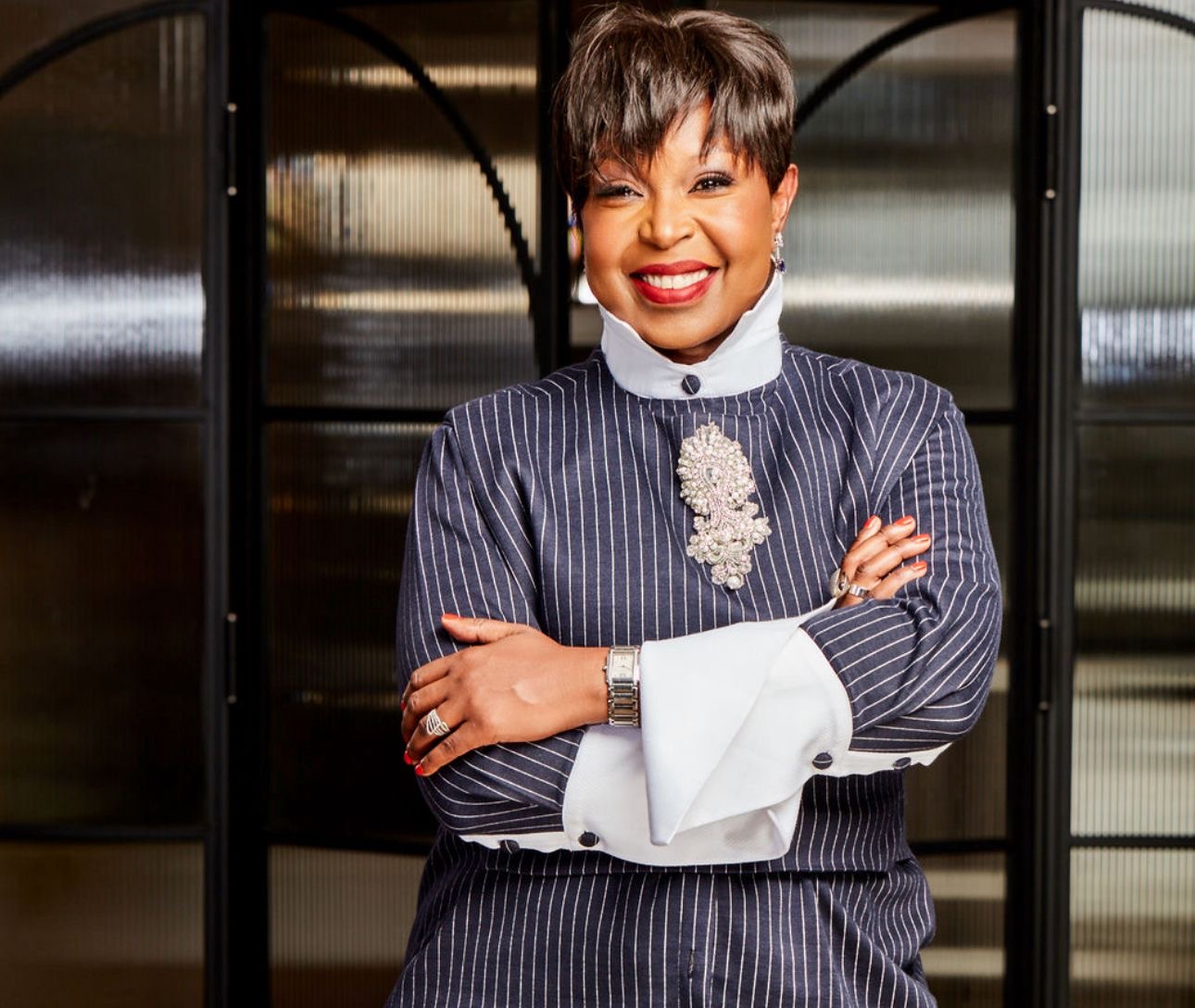
Lulu Shabell is a cultural strategist and global fashion connector dedicated to positioning African design within the world’s leading luxury markets. As Founder and CEO of LULUBELL Group and curator of Wear in the World, she has spent over two decades building commercial pathways between African creatives and international fashion capitals. Her work spans Paris, Tokyo, New York, Dubai, and beyond, where she has championed designers, advised institutions, and shaped conversations around heritage, craftsmanship, and modern luxury.