For more than four decades, Nerio Alessandri has been quietly reshaping how the world understands wellness. What began in a small Italian garage has evolved into Technogym, a global force that now sits at the intersection of luxury, technology, architecture, hospitality, and human performance.
Yet to describe Technogym as a fitness company is to misunderstand its ambition fundamentally. Alessandri does not speak in the language of machines or gyms. He speaks of human centricity, emotional design, and wellness as a cultural infrastructure — one that is rapidly becoming the defining marker of modern luxury.
“Health is wealth,” he says plainly. But the statement, in Alessandri’s hands, is not motivational rhetoric. It is economic logic, urban philosophy, and lifestyle doctrine rolled into one.

From Fitness to a Way of Life
The global wellness conversation has undergone a profound shift. What was once confined to exercise rooms and personal routines has expanded outward — into hotels, private residences, workplaces, universities, and entire cities. According to Alessandri, this evolution was inevitable.
“For too long, we focused only on the environment — sustainability, climate, green economy,” he explains. “These are essential. But they are not enough. We must also speak about human centricity. If you respect yourself — your body, your health, your longevity — you also respect the environment. Quality of life and quality of the environment are the same thing.”
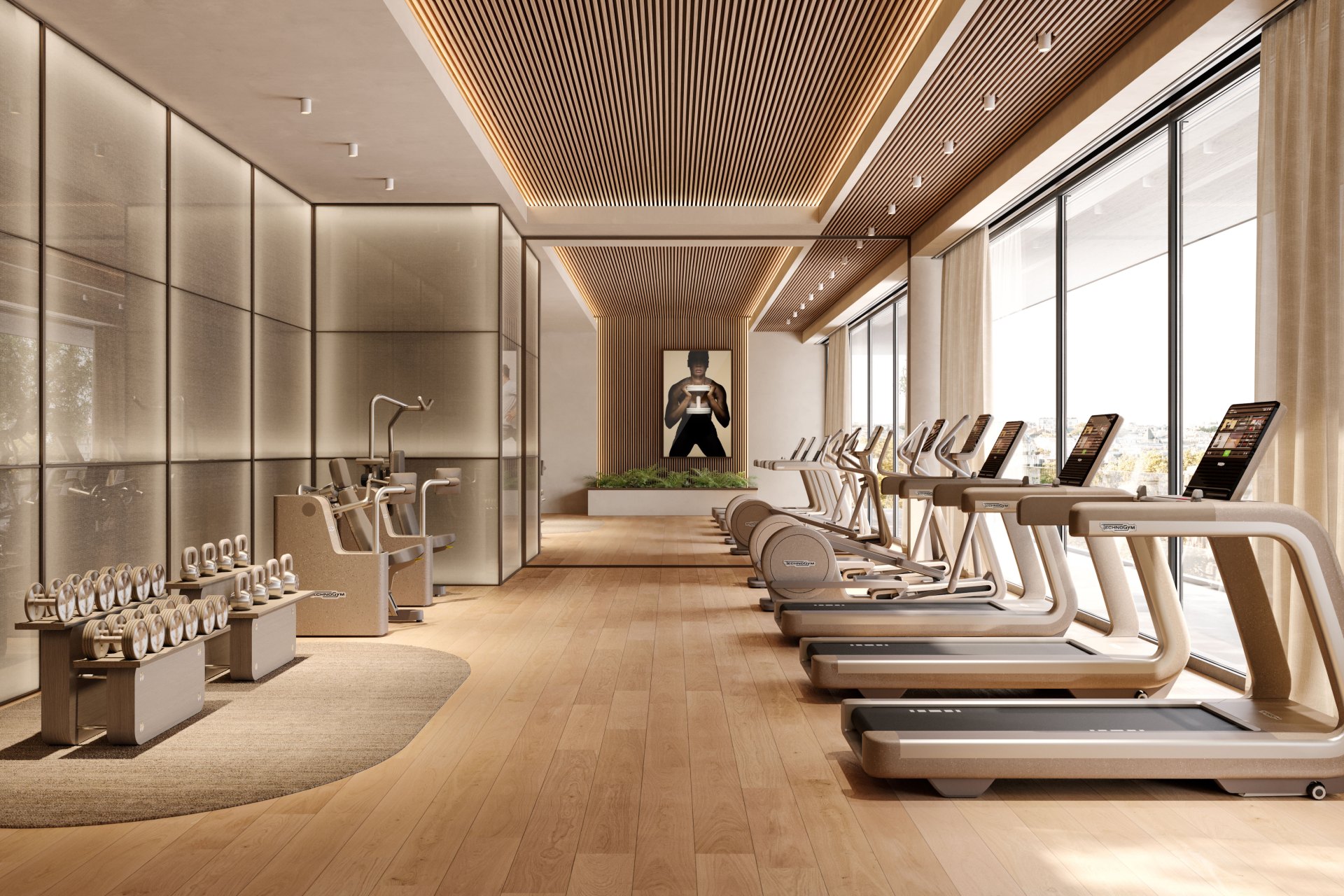
This belief underpins Technogym’s transformation from equipment manufacturer into wellness ecosystem architect. Today, the company works across consulting, interior design, digital platforms, data integration, and behavioural science — designing not just products, but journeys.
The numbers are telling. More than 28,000 luxury hotels worldwide now feature Technogym solutions, including icons such as Rosewood and Mandarin Oriental. But the real shift lies in how these spaces are being reimagined.
“Hospitality is no longer about selling rooms,” Alessandri says. “It’s about delivering experience — education, atmosphere, design, multisensory engagement, social connection.”
Retreats, Cities, and the Rise of Wellness Infrastructure
One of the most powerful ideas emerging from Alessandri’s worldview is the concept of the retreat — not as escapism, but as intentional living.
Urban retreats. Natural retreats. Desert, savannah, and coastal sanctuaries. Places designed for people to relearn fundamentals: movement, nutrition, mindfulness, friendship, rest.
In this context, Africa takes on extraordinary significance.
“Africa is the new frontier in quality of life,” Alessandri says. “The environment is incredible. Nature is unmatched. The potential to build something new — not to retrofit the past — is unique.”
Across the continent and the Middle East, new cities and master-planned communities are emerging at scale. For Alessandri, this presents a once-in-a-generation opportunity to embed wellness into the DNA of development.
“You cannot just add a gym later,” he explains. “You need a wellness master plan from day one — across schools, universities, workplaces, healthcare, hospitality, and public space. Technology, connectivity, data, design — all must be planned together.”
This philosophy has led Technogym to establish a dedicated division focused on wellness cities and wellness communities, analysing population-level health risks, lifestyle indicators, environmental factors, and long-term economic impact.
“Wellness becomes measurable,” Alessandri says. “You can analyse diabetes risk, stress levels, social isolation, mobility, pollution, and longevity. These are not abstract ideas anymore. They are KPIs.”

Luxury, Localisation, and Cultural Intelligence
In the world Alessandri envisions, luxury is no longer generic. It is deeply local, culturally fluent, and emotionally resonant.
Technogym’s design language changes from market to market — not only in aesthetics, but in materials, colours, content, and digital experience.
“In the Middle East, we developed a sandstone line,” he explains. “It reflects the culture, the landscape, the nature of the Gulf. This would not work in China. It would not work in the US. Localisation is essential.”
The same applies to content. Training programs, digital interfaces, and visual storytelling are tailored to each region, using local athletes, trainers, and cultural references. For Africa, this represents both a challenge and an opportunity.
“Youth demographics are growing fast,” Alessandri notes. “But more importantly, their mindset is changing.”
A New Generation, A New Definition of Wealth
One of the most striking shifts Alessandri observes has taken place in just the last six months. Younger generations are drinking less, smoking less, and increasingly viewing health as a personal investment rather than a given.
“They understand that healthcare systems are not sustainable forever,” he says. “In the future, everyone will pay — directly or indirectly. So they are investing early in themselves.”
This shift has profound implications for governments, insurers, employers, and luxury developers alike. Wellness is no longer a lifestyle add-on. It is a productivity tool, a talent strategy, and a long-term economic hedge.
The future, Alessandri believes, belongs to collaboration — public and private, technology and design, culture and policy.
“It is not about replacing the public sector,” he says. “It is about partnership. All stakeholders together.”
The New Language of Luxury
For readers of Robb Report Africa, the implications are clear. The definition of luxury is expanding — from objects to outcomes, from status to sustainability, from excess to longevity.
In this new paradigm, the most valuable asset is not timepieces, cars, or square metres — but vitality.
“Wellness is not a trend,” Alessandri concludes. “It is the foundation of the future. And Africa has the chance to lead — not by copying the past, but by designing something entirely new.”