Once the preserve of honeymooners and winterphobes, Mauritius is now one of the most desirable real estate destinations for Africa’s wealthy elite. Adding gravitas to this positioning is the ongoing demand for branded residences: luxurious, professionally managed properties affiliated with world-class hotel brands that promise not just prestige, but peace of mind.
“Mauritius has always attracted affluent international buyers for its climate, safety, and investment-friendly environment,” says Timo Geldenhuys, Partner at Mauritius Sotheby’s International Realty. “But buyers today aren’t just looking for villas. They want immersive lifestyle experiences underpinned by trusted global standards. That’s where branded residences come in.”
The Rise of Branded Residences
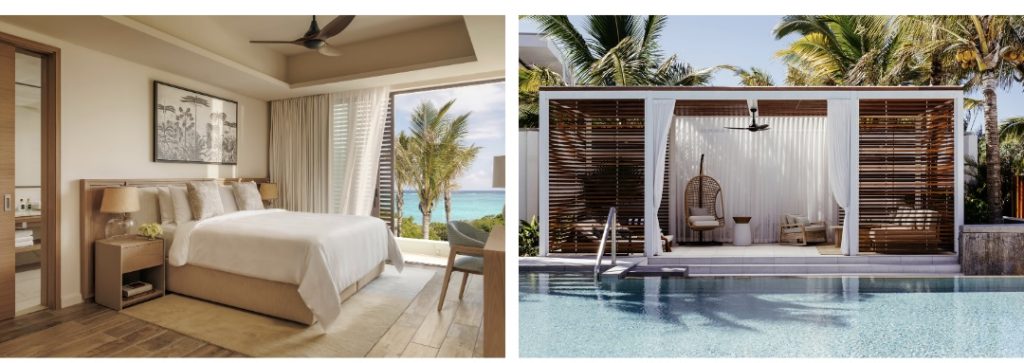
From the Four Seasons Residences at Anahita as well as One&Only Le Saint Géran Private Homes in the East and Shoba Villas & Residences by Maradiva in the West, Mauritius is a beacon for high-end branded living. Even Pierre & Vacances has introduced a more investment-driven model for smaller budgets, making branded living accessible to a broader yet still select clientele.
“There’s something deeply reassuring about knowing your home is managed to the same standard as a five-star resort,” says Geldenhuys.
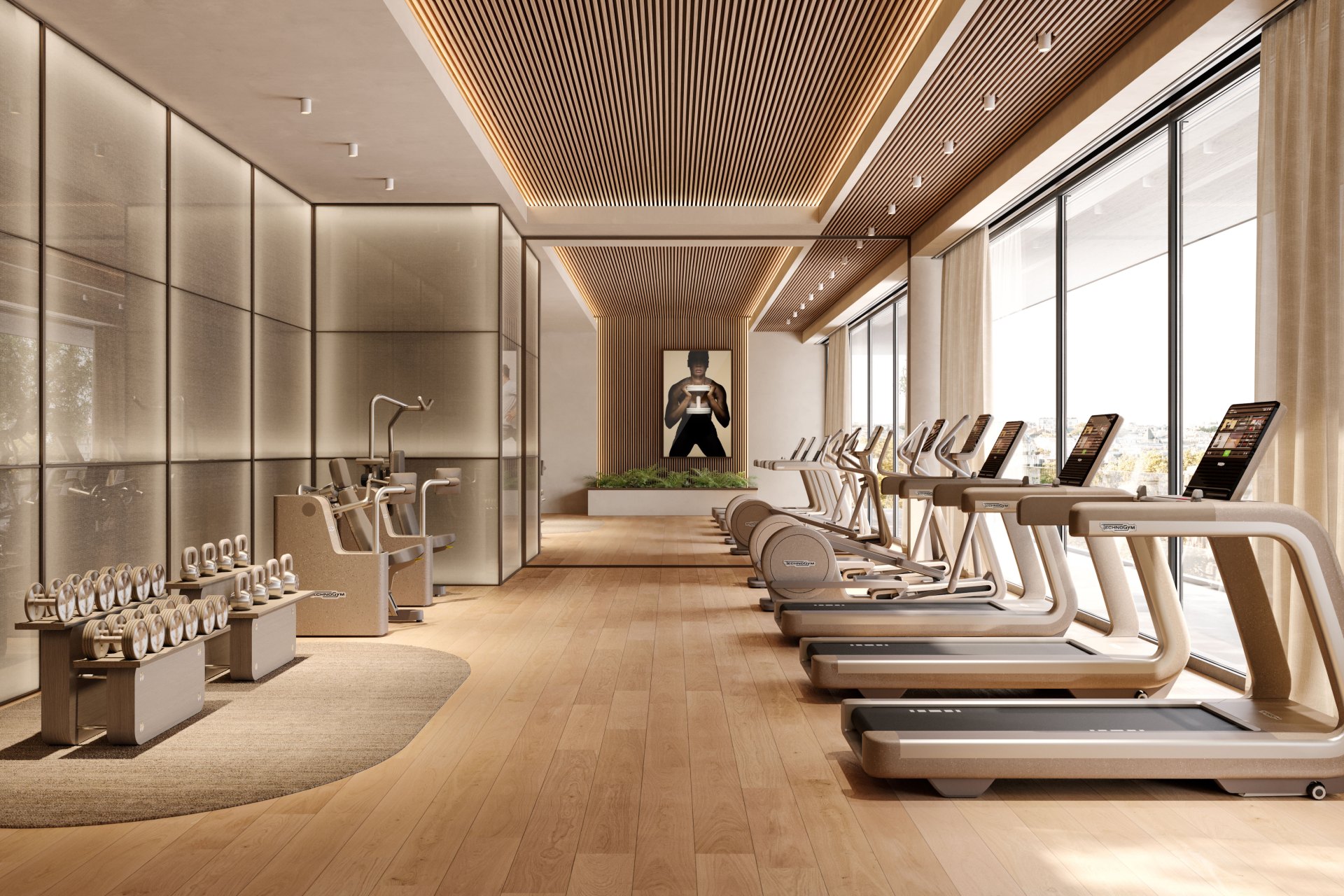
Owners benefit from access to spas, restaurants, concierge services, and leisure facilities. Loyalty programmes, hotel-managed rental services, and global brand support only add to their value.
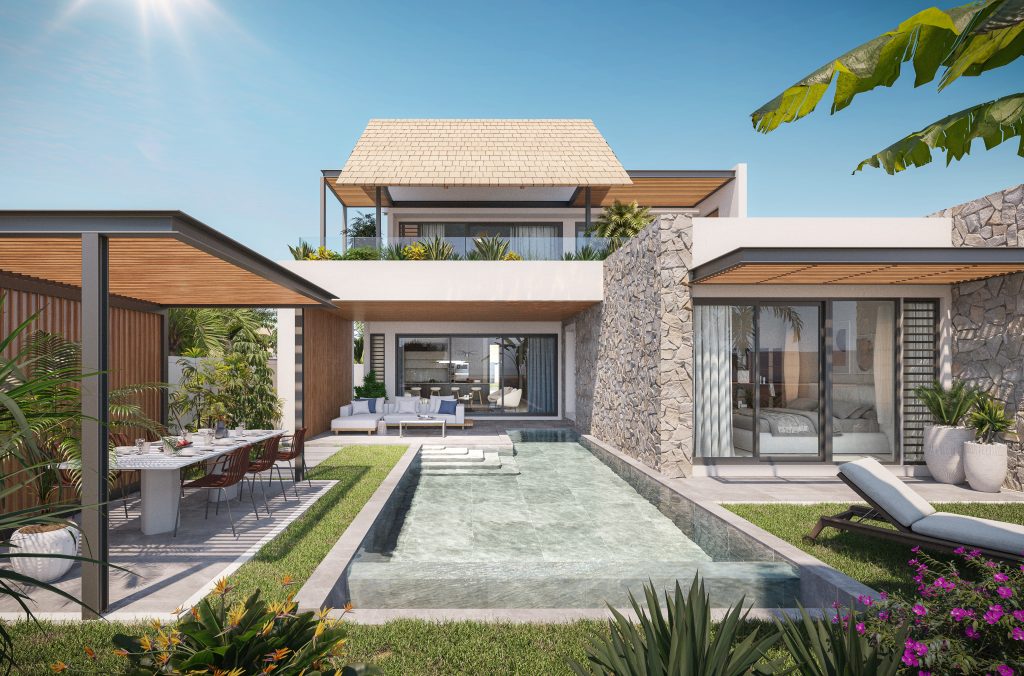
Developed by Maradiva Villas Resort & Spa, a member of Leading Hotels of the World, Shoba Villas & Residences includes 17 waterfront villas on Wolmar Beach. “With pending tax increases for non-citizens buying and reselling residential property under EDB schemes, it’s more important than ever to choose prime locations that truly hold their value,” says Rinie Boshoff, Development Manager at Pam Golding Properties Mauritius. “Shoba is located between the Sands and Maradiva hotels in Wolmar, a quiet cul-de-sac past La Pirogue and Sugar Beach. It’s private and unique.”
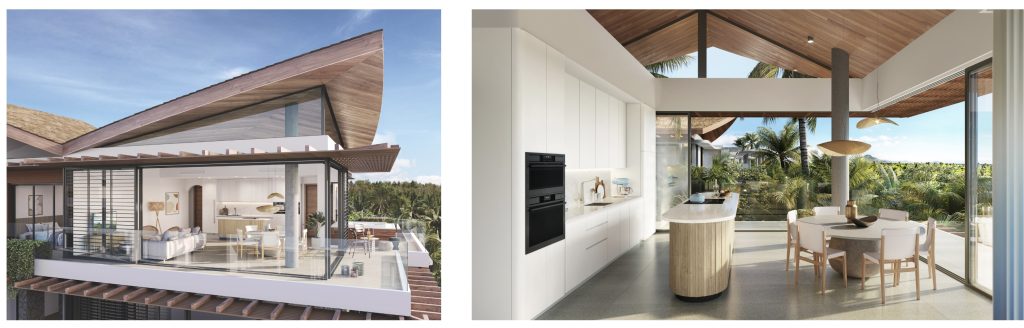
La Pirogue Residences is another option for real estate investors keen on privileged access to Sugar Beach and La Pirogue resorts. The project is a joint venture among property developers 2Futures, Ciel Properties and Sunlife.
Who’s Buying and Why
South Africans continue to top the list of African buyers, drawn by proximity, political stability, and the ability to own property freehold. But a new class of buyers from West Africa is making its presence felt. According to Michaël Ruel, CEO of the MJ Développement group, which is behind Shoba, among other island projects, a growing number of entrepreneurs, family office executives, and senior professionals, particularly from Nigeria, Ghana, and Côte d’Ivoire, are exploring Mauritius as a secure base for wealth preservation and long-term lifestyle investment.
Alexandre Gelle, Executive: Commercial at Alteo Property, notes that many of these buyers are European expats working in West Africa who see Mauritius as an ideal destination for retirement or a second home. Their motivations include tax efficiency, safety, and the opportunity to gain permanent residency through real estate investment.
Under current laws, foreigners who invest a minimum of USD 375,000 in eligible real estate developments qualify for permanent residency for themselves and their immediate family. It’s a major drawcard for African HNWIs who want peace of mind and a foothold in a global-friendly jurisdiction.
The Investment Case
Well-located branded residences in Mauritius generate rental yields between 4% and 8%. Hotel-linked developments offer turnkey rental programmes, which appeal to investors who want passive income. These properties also tend to resell faster and retain value, based on the credibility of the hotel brand and integrated management.
Cape Town remains a competitor in terms of lifestyle appeal and offers some branded residences, such as the Rockefeller at Harbour Place, but lacks the integrated resort-style communities and residence-linked property models found in Mauritius. Political uncertainty and infrastructure challenges are also concerns for international investors.
Zanzibar is also rising. The upcoming Anantara Zanzibar Residences, set to open in 2027, promises elegant resort-branded homes on the island’s pristine northern coastline. The development offers a range of units from USD 350,000 including hotel suites, pool villas and beachfront mansions. Amenities include a spa, helipad, cigar lounge, kids’ clubs, six restaurants and bars, and a professional rental programme with projected returns of 18–24% annually. This makes it one of the most promising comparative investments on the continent.
“Anahita was among the pioneers (back in 2006) in proposing branded residences and luxury villas within its portfolio of properties being developed and offered for sale, through the presence of the Four Seasons Resort Mauritius at Anahita. It was a strategic move that not only enhanced its reputation but also helped elevate the island’s standing as a luxury resort destination,” says Gelle.
“Regarding land ownership value in an island ecosystem, such investment in Mauritius represents a sound and resilient asset, the more so for special properties like rare freehold coastal land, which have shown appreciation over the years. Real estate opportunities offered within developments like Anahita Golf Resort will provide a secure and attractive framework both for local and international buyers, whether as a lifestyle investment or as part of a diversified asset portfolio.”
Mauritius also offers a highly attractive tax regime for individuals and investors. There is no inheritance tax and no capital gains tax, making the island one of the most efficient places in Africa to hold real estate.
Importantly, Mauritius’ new property tax changes – which include an increase from 5% to 10% in duties under EDB schemes – will only apply from July 2026. Investors who act now still benefit from the lower rates.
The Future of Branded Living in Africa
Branded residences here are not just buildings. They are ecosystems that merge design, service, and security under one coherent vision.
Ruel emphasises that “Mauritius is an open-air laboratory for brand development in Africa. Its political stability, multiculturalism, health and education infrastructure, and air connectivity with major African capitals make it an ideal anchoring platform for brand communities. This Mauritian model is already inspiring other African destinations, but remains the most successful on the continent to date.”
In a world where luxury is no longer just about what you own but how you live, Mauritius offers a rare combination of island ease and institutional maturity, with branded residences leading the way.

Debbie Hathway brings over two decades of editorial elegance to the page. A doyenne of luxury lifestyle journalism, Debbie’s storytelling pirouettes across fine watches, haute travel, high jewellery, philanthropy, and the arts, with a signature style that’s as refined as the worlds she chronicles. Formerly deputy editor of Private Edition , Debbie is also a decorated contributor and a two-time SADC Media Award winner. Whether dancing her way through a cultural deep-dive or dissecting the mechanics of a tourbillon, she writes with the precision of a journalist and the flair of a true aesthete.