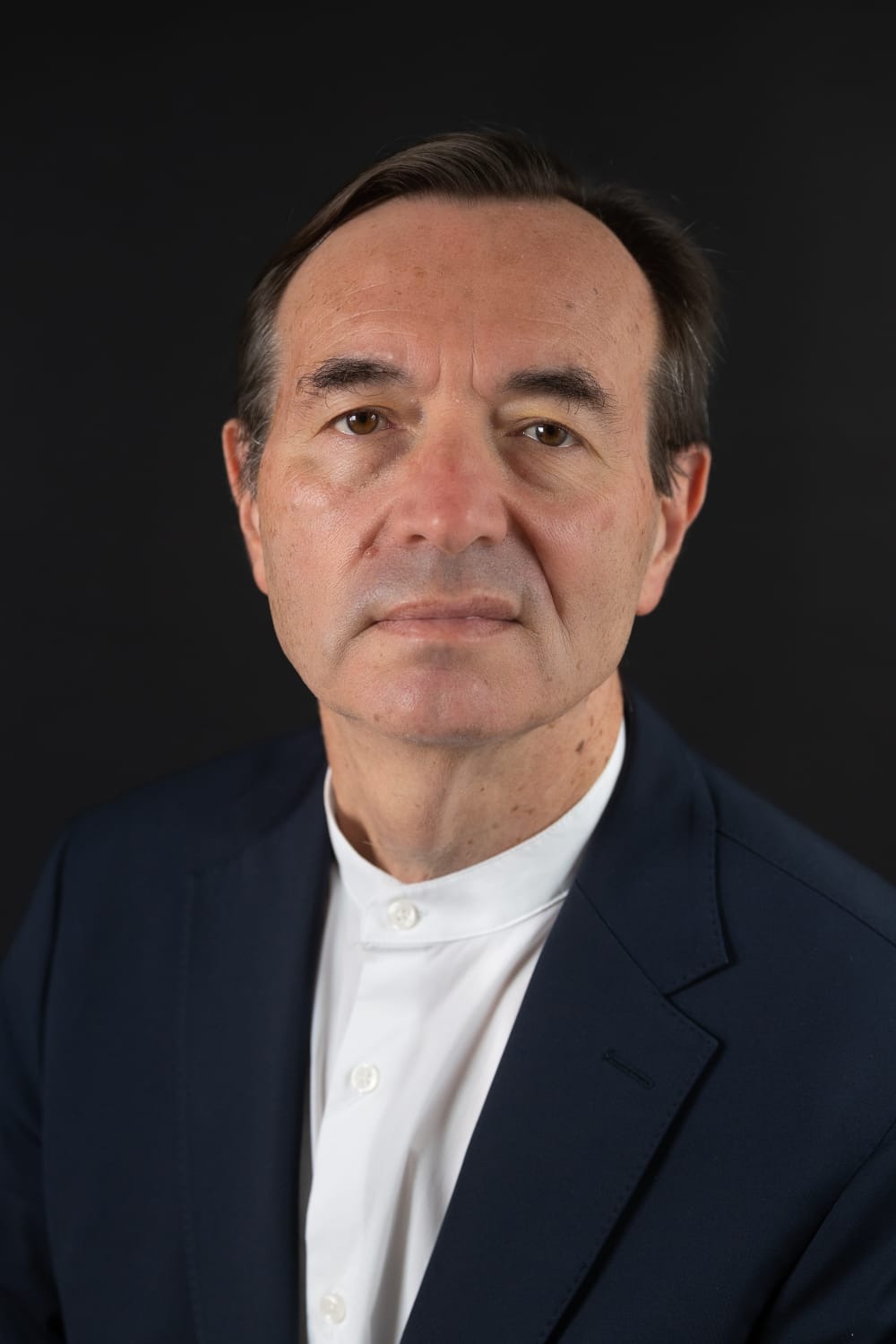
Tristan du Plessis has become one of the most compelling atmosphere makers working today, a designer who builds emotional worlds long before a single form is resolved. Born in Johannesburg, he was shaped by a one week internship that unexpectedly became a calling. Design found him at the age of 20, a time when most people are still searching for direction and feel a bit lost. Almost by instinct, he was drawn to the way space could shape feelings.
“I found this thing and I loved it. I could see the joy it brought people when a project was completed and being used. I didn’t have any intention or even consideration that it would become an international career. I just knew that whatever I was doing, I would try to do it to the absolute best of my ability. So I dove in head first.”
His career began in the city’s nightclub scene; immersed in the pulse of the city at that time, he learned how atmosphere could influence emotion in real time. As he grew, his work evolved alongside him: from nightclubs, then restaurants, and eventually hotels, each stage expanding his understanding of how people inhabit and respond to space.
He later moved to Cape Town at a defining moment in his career; a shift that aligned with his transition from primarily South African projects to major international work. Cape Town offered a different creative rhythm: slower, tactile, and deeply attuned to craft. Its community of artisans, the clarity of its light, and the rawness of its coastline sharpened his sensitivity to texture, materiality, and restraint. It is where Tristan du Plessis Studio (TDPS) is now based; a calm and grounding environment in which he creates, even as the work continues to move across continents.

Du Plessis describes the TDPS design philosophy as “creating cinematic interiors from the guest’s perspective.” Interiors conceived from the inside out, led by emotion rather than form. And the world is responding to that honesty. Today, TDPS designs globally from Le Café Louis Vuitton in Shanghai, to The Cullinan in Dubai, and now the full-scale Mondrian hotel in Abu Dhabi, set to open in 2026. And yet, his next chapter is one of return, with the forthcoming Clifton branded residences in Cape Town. Set against one of the most extraordinary coastal landscapes in the world, du Plessis brings his global sensibility home.
In this conversation with Robb Report Africa contributor Nompumelelo Ntintili, du Plessis opens up about the emotional foundations of his work, the narratives behind his landmark global projects, his return to South Africa through the Clifton residences, and the inspirations that continue to shape his design world.


Nompumelelo Ntintili for Robb Report Africa (NN): What was your guiding narrative behind Le Café Louis Vuitton, the ship-shaped café in Shanghai?
Tristan du Plessis (TD): A brand like Louis Vuitton has such a storied heritage, so the narrative had to honour that history. The space was inspired by the Golden Age of Travel, a time when people celebrated the act of travel itself. Everything was lavish and considered, right down to the luggage. I imagined those people in the 1940’s and 50’s boarding a ship or train. There was a romance about travel from that era, and I wanted to bring that into the space.”


NN: You’re currently designing the Mondrian hotel in Abu Dhabi. What makes that exciting?
TD: The Mondrian in Abu Dhabi is exciting because it’s our first true mega-project where we’re designing over 100 rooms, as well as all of the guest areas. It allows us to interweave one cohesive narrative throughout the entire hotel. And what also really excites me is creating complementary food and beverage experiences within the hotel.
NN: Your forthcoming branded residences in Clifton mark a new chapter. What makes this project significant both for you and for the South African luxury landscape?
TD: It’s an amazing opportunity to bring my international hospitality experience back to South Africa and use it to create what I hope will be some of the most amazing homes on the continent. The landscape in Clifton does so much on its own, it’s one of the most breathtaking environments in the world. The homes are essentially apertures to the view.
NN: How do you see African luxury design shaping global design conversations?
TD: The world is responding to the honesty in African design. I carry South Africa with me in every project. There’s soul here. It’s in our landscapes, our fashion, our music, our art; it’s just part of who we are. Textures are a really big part of what I do. South African landscapes are raw and textured, so even when a project is refined, I always want that sense of rawness to come through. There’s a natural emotional depth in South African creativity that we are carrying across borders that can’t be replicated. It just shows me that there’s something special here and I hope to, even in a small way, do my part in bringing Africa to the world.
NN: How would you describe the atmosphere of your own home?
TD: Right now, I’m building my home. The design is much quieter than my design work; a minimalistic approach, but still very warm. When you’re working on a million ideas and finishes every day, I actually want to come home to a space that’s quiet and calming for myself and my family.
NN: Do you have an object or piece of design you’ve collected that feels especially personal to you?
TD: I recently found a pair of original Soriana chairs from the 1970s. They were designed by Afra and Tobia Scarpa;Tobia being the son and Afra the daughter-in-law of Carlo Scarpa, the legendary Italian architect. The chairs were inspired by Scarpa’s influence and sensibility. What I love is that they still have the original upholstery from the 1970s. There’s something incredibly inspiring about creating something that remains eternally contemporary.”

NN: What inspires you outside of the design world?
TD: From a South African perspective, music is absolutely inspiring. African music is being looked up to, and South African DJs are the celebrities for celebrities overseas. It shows you the cultural weight and influence we have; there’s something powerful happening here.
NN: What kind of music do you enjoy?
TD: I’m a big South African house music fan through and through. House music is absolutely my core love.
NN: When you travel, what do you seek out?
TD: Hotels and restaurants. I make money by designing hotels and restaurants, so that I can spend it in hotels and restaurants.
NN: Are there any hotels you consider hidden gems that should be on our reader’s must-visit lists?
TD: Hotel Costes in Paris is a must-visit. It has so much detail, and there’s a spirit to the hotel that’s almost tangible; you feel it the moment you walk in. It’s one of my favourite places in the world. And then Château Denmark in London; they converted the old recording studios in Soho, where the likes of the Rolling Stones used to record, into a hotel. It still has that rock-and-roll energy, but with a luxurious presentation.

NN: How do you celebrate after a major project?
TD: I want the design journey to be the thing that I celebrate. Typically, once I’ve completed a project I say a big congratulations to my team, and then we put all of our efforts into the next one.
NN: What are your favourite luxury indulgences?
TD: I definitely have a few indulgences. Fashion is a big one: Louis Vuitton (of course), as well as Rick Owens, Amiri and Jacquemus. I also love fragrances: Amouage, Clive Christian, Kilian, Ex Nihilo. In jewellery, I gravitate toward Chrome Hearts and Parts of Four. And with watches, I appreciate both vintage and new Rolex.
NN: Looking ahead, is there any dream typology that you would love to sink your teeth into?
TD: A yacht; it’s a hotel on the water that’s focused on giving a really intimate experience without losing its grandeur. And I think there’s something so special about that.
NN: What advice would you offer to emerging African designers who hope to work at a global luxury level?
TD: Never design for your peers; design for your audience. Design with a strong narrative and the best version of the idea you believe in. Simply put, stay in your lane and focus on what you do best. You don’t need to try to be dramatically better each time. Just focus on the nuances of improvement.
After speaking with du Plessis, what lingers is his clarity of purpose. He designs for how people experience space, how they move, how they remember. His interiors build worlds that ask us to feel, to slow down, to notice. His work is global, but the grounding is unmistakably South African; soulful, textured, and quietly confident.
 His hardcover book, bound in natural linen is titled Tristan du Plessis Design Narratives and is available for pre-orders.
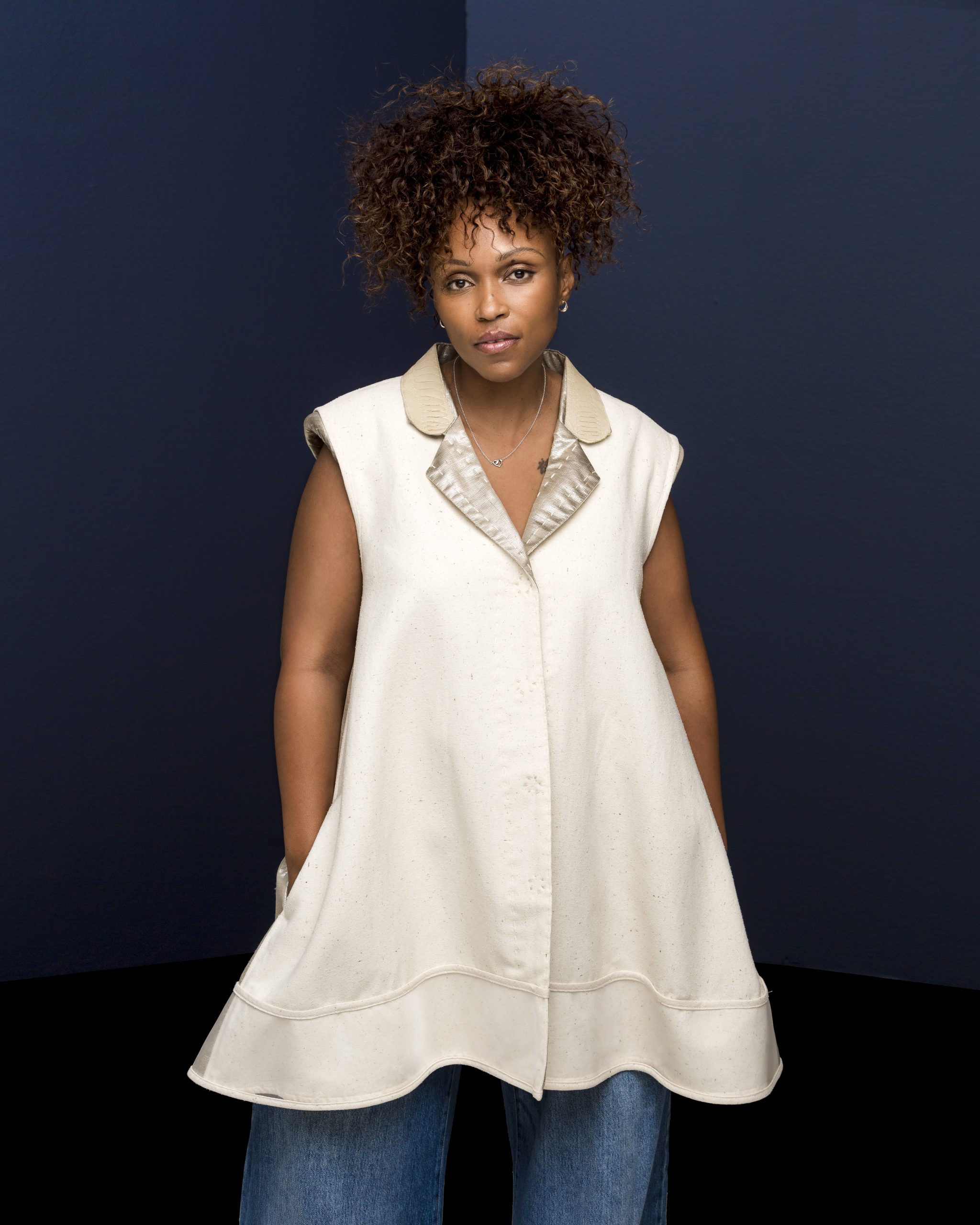
Nompumelelo Ntintili works at the intersection of visual identity, cultural narrative and creative direction. Her practice spans film, fashion, editorial and live performance, shaping how story and aesthetic language are communicated on screen, on stage and in culture. A Creative Director and Cultural Strategy Consultant, Sinxoto’s work is defined by intentionality. Whether developing character worlds for Netflix, guiding the visual direction of global luxury campaigns, or shaping narrative tone through editorial writing, her work reflects a considered and deeply cultural point of view. Former Fashion and Lifestyle Director across leading South African magazine titles, Ntintili has spent nearly two decades engaged in how African identity is styled, framed and seen.