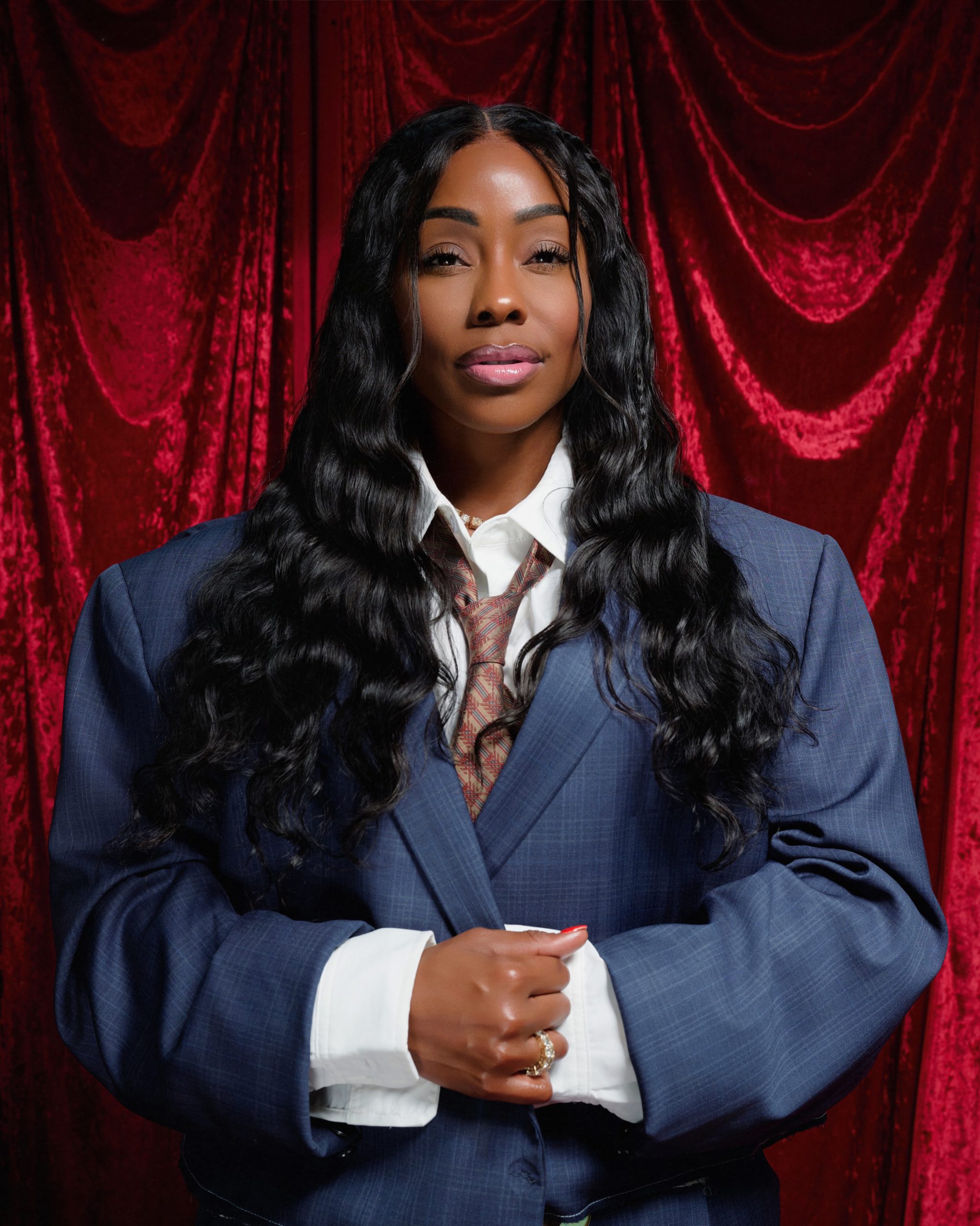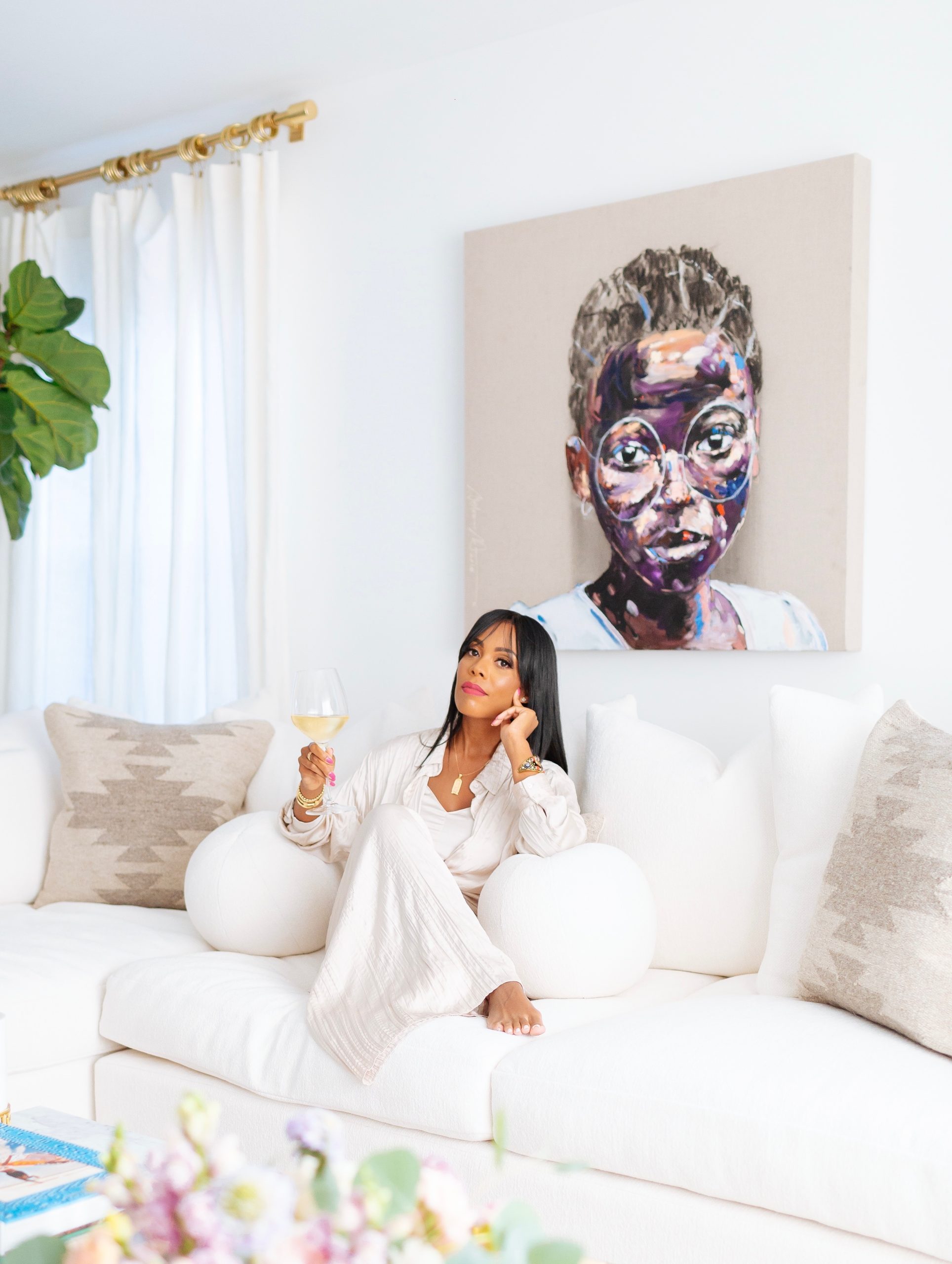
American Friends of Zeitz MOCAA has announced the appointment of U.S.-based art collector and entrepreneur Ingrid Best as a 10×10 Founding Patron, a role that brings together an international group of philanthropists, cultural leaders, and business figures to support the Cape Town museum’s exhibitions, publications, art education programs, and public access initiatives.
The announcement comes at a pivotal time for the institution following the passing of its Executive Director and Chief Curator, Koyo Kouoh. While Best did not know Kouoh personally, she says her work was “a constant source of inspiration for my own commitment to amplify underrepresented voices. Much of my approach to collecting and cultural advocacy has been shaped by the path she carved, championing African and African American voices on a global platform. Her passing makes this appointment feel even more significant. It’s not just about supporting an institution, but about continuing the vital mission she so beautifully embodied and ensuring her legacy lives on through our collective efforts,” Best says.
Operating between the U.S. and South Africa, Best has built a growing cultural and business presence on the continent. She acknowledges that navigating this role as a U.S.based Black woman requires both sensitivity and intention. “Being present means building authentic relationships and spending time on the ground,” she explains. “My work in South Africa with IBest Wines continues to teach me that true partnership requires immersing yourself in the culture and leading with a model that reflects and respects the local context, one where our team listens, learns, and builds with the community, not around it. At the same time, I acknowledge the power and responsibility that come with my platform. I’m here to build infrastructure, connecting capital, visibility, and networks to the creative excellence that already exists. My role isn’t to define the culture, but to help protect its integrity as it scales. Leadership in this context means showing up consistently, honouring context, and leveraging my position to expand access and opportunity without displacing the voices that are already shaping the narrative from within.”

Philanthropy is often romanticised, but patronage is a heavy crown to bear particularly in today’s African and diasporic art ecosystem that’s in need of patrons who deeply respect that which is sacred and off-bounds. Best agrees it’s a delicate dance, stressing that financial commitment alone is not enough. “Financial commitment is essential; however, real patronage goes beyond just financial support, it’s about using your energy, network, and platform to encourage and amplify voices and help create sustainable pathways for artists to thrive. A patron’s responsibility is to be present and accountable, to understand the ecosystem you’re entering, and to make commitments that outlast trends or personal convenience.” She adds that “most importantly, it’s about power-sharing and equity-building, ensuring that the communities and artists you support have ownership and agency in their own narratives and success.”
Best has been outspoken about what she sees as a challenge in African art circles; collectors who parachute in without accountability. She says her approach is rooted in the same values that guide her wine business, IBest Wines: building genuine relationships, prioritising quality and craftsmanship, and maintaining a consistent presence. “You can’t authentically support what you don’t understand,” she says. With Zeitz MOCAA at a critical juncture, Best says her focus will be on helping to make the museum more accessible, particularly through education and community programming. “I want to help ensure that Zeitz MOCAA becomes even more accessible to diverse audiences globally, particularly through creative educational programming that connects contemporary African art with broader cultural conversations about innovation, heritage, and future-building. My vision is to support initiatives that create bridges between the museum and various communities, whether through wine and art experiences that we’re developing, or programs that make the museum’s offerings available to people who might not traditionally engage with fine art institutions.” Looking ahead, Best has ambitions to serve on an institution’s board, to curate her own art exhibition, and to develop a philanthropic arm of IBest Wines that will be deeply tied to the arts, “all of which would help me create sustainable pathways for supporting contemporary African and diasporic artists on a global scale.”
Her wine label, a women-owned company with six equity-holding partners, serves as an interesting case study in building equitable cultural economies and, in this instance, that center African creators and producers. She cites recent collaborations with model and sommelier Grace Mahary and creative director Grace Bukunmi as examples of how she connects wine with art and culture. “We’re looking forward to continuing our global creators platform via IBest Wines, where we spotlight different creatives across various fields to recognise their achievements and find meaningful ways to partner with them through our company. Working with talented individuals like Grace Mahary, our IBest Wines sommelier and international model, as well as Grace Bukunmi, a renowned creative director and photographer, has shown us that artistry comes in many different forms, from sommeliers and winemakers to painters and photographers. Right now, I’m particularly interested in collaborating with creators who share our vision of cultural bridge-building and who appreciate the parallels between wine and art collecting; both require an appreciation for history, craftsmanship, and provenance, and continuing these efforts allows us to invest in the future of cultural conversations while building authentic partnerships across the creative spectrum.”

She also views her own journey as a keen study in taking calculated risks. “The most important lesson from my journey is that you have to be willing to bet on yourself. Build authentic expertise in whatever field calls to you, whether it’s wine, art, or any other passion, because that knowledge becomes your foundation for everything else you want to create. Most critically, remember that success isn’t just about individual achievement, it’s about opening doors for others, which is why I structured IBest Wines with six women of color holding equity, and why I take mentorship calls monthly. Our collective rise is what creates lasting change.”
For those looking to build a formidable contemporary African art collection, Best’s advice is to buy based on connection rather than trend. “Invest in stories, people, and artists with whom you feel a genuine connection, that emotional bond will sustain you through market fluctuations and trends” she says, adding that collectors should engage deeply with the work and the context surrounding it. “While I can’t give specific investment advice, I encourage collectors and aspiring collectors to always consider emerging artists from the continent and around the world who are pushing boundaries and telling essential stories that need to be preserved and celebrated.”
Looking five years ahead, Best says she would measure success by tangible growth in access to and engagement with African art, stronger institutions, and a new generation of collectors and cultural leaders building on the foundations being laid today. “Success for IBest Wines means doubling down on South Africa’s well-earned status as a premium wine region and fundamentally shifting how consumers around the world experience and engage with its wines. We’re crafting a rich, more immersive wine journey that highlights authenticity, culture, and innovation. For my art collection and institutional support, I aim to see measurable increases in access and engagement, more diverse audiences discovering contemporary African art, more artists gaining access to capital and sustainable career pathways, and institutions like Zeitz MOCAA thriving with robust programming and community connections. Ultimately, the most significant measure of success would be seeing the next generation of collectors, entrepreneurs, and cultural leaders building on the foundation we’re creating today, taking it even further than I ever imagined possible.”

Ntokozo Maseko has never been one to wait her turn. At 25, she became the youngest editor in the history of South Africa’s heritage title BONA, steering the four-language magazine into the digital era and winning the title a Thetha Masombuka Award for linguistic excellence along the way. Named one of the Mail & Guardian’s Top 200 Young South Africans, she has since built a 17-year career shaping the voice of iconic brands across luxury, lifestyle, and culture.
Her editorial eye has graced various mastheads; from a legacy print title, an innovative digital magazine to a pan African luxury platform. Today, as inaugural Editor-in-Chief of Robb Report Africa, Ntokozo curates a world where African excellence meets global luxury, telling the stories of the continent’s most remarkable people, places, and creations with precision, wit, and unapologetic style.