Luxury has never been defined by price alone.
A Rolls-Royce is more than a motor car. A Patek Philippe is more than a timepiece. A Hermès Birkin is more than a handbag. Their value extends far beyond craftsmanship or scarcity. They embody heritage, confidence, exclusivity and, above all, trust.
The world’s most admired luxury brands rarely compete on features alone. They compete on perception – carefully cultivated over decades through consistency, discretion and an unwavering commitment to excellence.
In today’s increasingly connected world, that principle extends well beyond traditional luxury houses. It is reshaping how entrepreneurs, investors, family offices and premium businesses build influence, attract opportunity and preserve long-term value.
Reputation, once regarded as a by-product of success, is becoming one of the defining assets of the modern luxury economy.
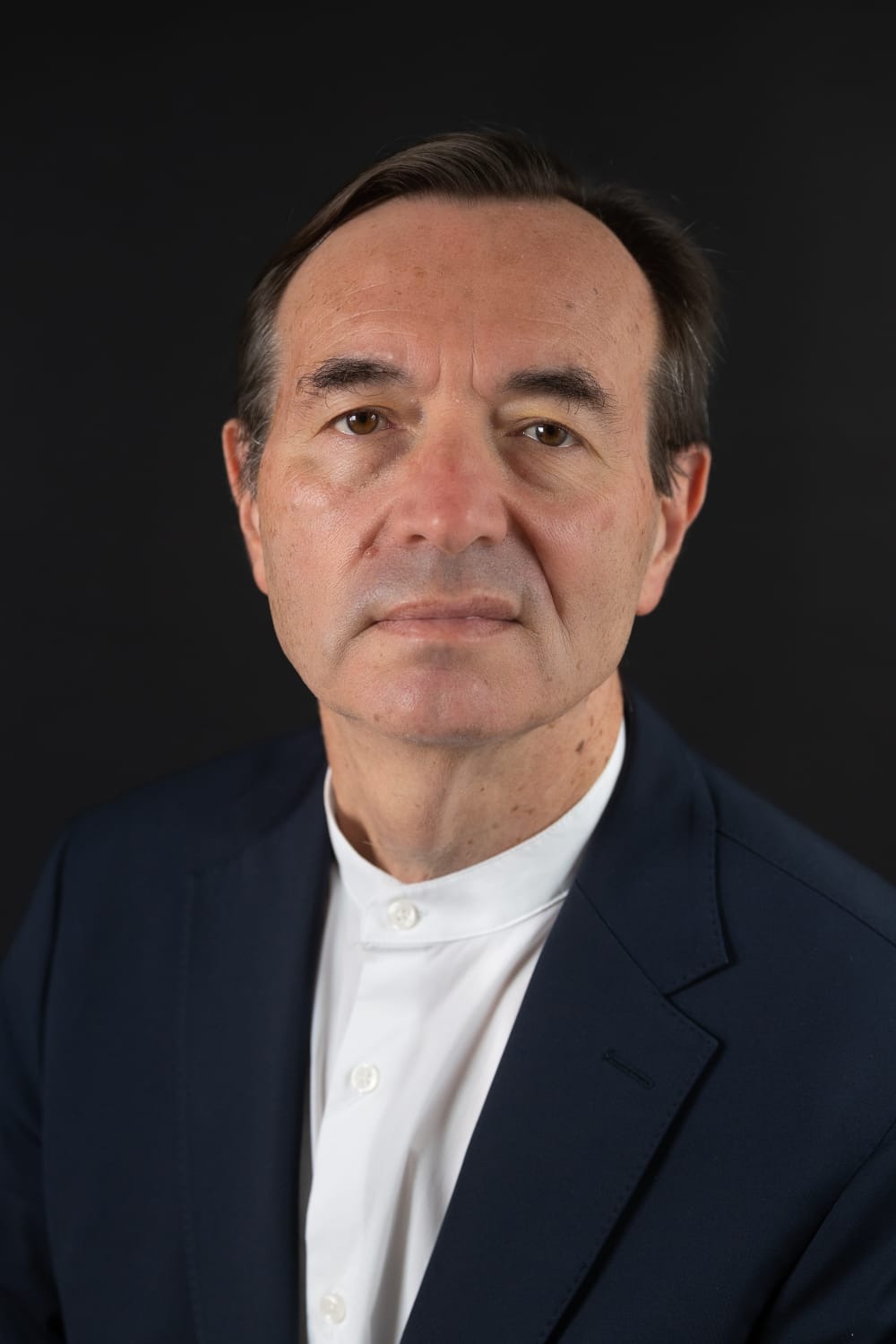
Few understand that shift more intimately than Sashin Govender, founder of CredibilityX, whose work centres on helping founders, executives and premium brands strengthen the credibility that increasingly underpins commercial success.
“In every luxury purchase, there’s an invisible question being asked,” Govender says. “Can I trust this brand to represent who I am? Long before people buy your product, they’re buying what they believe about you.”
It is a philosophy Govender has spent more than a decade refining through his work with entrepreneurs, investors, family offices and international brands.
Although CredibilityX has grown into one of the world’s largest independent reputation management and media distribution ecosystems, Govender is careful to distinguish visibility from prestige.
Luxury, he argues, is not created through price. It is created through confidence.
“The world’s greatest luxury brands don’t ask people to believe they’re exceptional,” he says. “They create enough evidence that people arrive at that conclusion on their own.”
That distinction separates attention from admiration, popularity from prestige, and marketing from legacy.
The world’s leading luxury houses have understood this for generations.
The appeal of Patek Philippe lies not simply in the complexity of its movements but in the continuity of its heritage. Aman has cultivated extraordinary loyalty through consistency rather than ubiquity. Hermès has demonstrated that scarcity, discipline and craftsmanship can become enduring commercial advantages when supported by decades of trust.
Their greatest asset is not inventory. It is confidence.
Govender believes the same principles increasingly apply to founders and privately owned businesses serving affluent markets.
Whether selecting a private wealth manager, acquiring a luxury residence, investing in a boutique hospitality group or choosing an advisory firm, today’s high-net-worth clients conduct extensive due diligence long before the first meeting. Every respected publication, thoughtful interview, independent recommendation and visible demonstration of expertise helps reduce uncertainty.
Prestige, in that sense, is trust accumulated over time. That observation ultimately led Govender to establish CredibilityX in 2015.
Rather than creating another public relations agency, he set out to build infrastructure that would help businesses strengthen credibility at scale. Today, the company supports more than 2,500 media agencies and white-label partners while providing access to an international network of more than 1,700 publications spanning business, finance, technology, luxury and lifestyle sectors.
Its services include executive profiling, strategic communications, thought leadership, reputation management and search visibility, but Govender insists these are simply mechanisms supporting a much larger objective.
“The real product has always been trust.”
That philosophy has become increasingly relevant as artificial intelligence transforms how information is discovered and interpreted.
Affluent consumers no longer rely solely on personal introductions or glossy magazines when evaluating a brand. They consult search engines, independent editorial coverage, digital profiles and AI-powered research tools before making decisions. In many cases, a company’s digital reputation forms its first introduction.
“If someone has never met you before,” Govender says, “your reputation has already introduced you.”
For luxury brands, this presents both an opportunity and a responsibility.
Craftsmanship alone is no longer sufficient. Excellence must also be visible, verifiable and consistently reflected across every public touchpoint. Reputation has become an extension of the product itself.
The same applies to entrepreneurs.
Rather than asking how quickly they can become well known, Govender encourages founders to consider a different question: if a prospective investor or client spent ten minutes researching their business, would they encounter a reputation that inspires confidence?
The answer, he believes, often determines whether conversations begin at all.
As branding, technology and reputation continue to converge, luxury businesses are increasingly competing on something more enduring than advertising budgets or marketing campaigns.
They are competing on trust. That has always been the defining characteristic of the world’s greatest luxury maisons.
The finest watchmakers measure success in generations rather than quarters. Family-owned luxury businesses protect reputations built over centuries. The most admired brands understand that prestige cannot be accelerated; it must be earned, reinforced through consistency and safeguarded with discipline.
Products evolve.
Markets change.
Technology advances.
Trust endures.
In an age where first impressions are increasingly formed before two people ever meet, reputation has become more than a communications asset. It has become one of the most valuable forms of luxury capital a business can possess.
Robb Report Africa staff were not involved in the creation of this content.